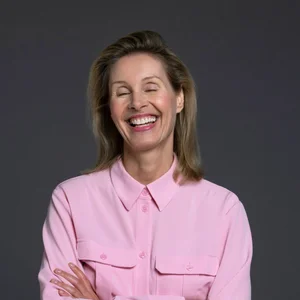
Learnings, lessons and failures with AI, written by Dorien Franken
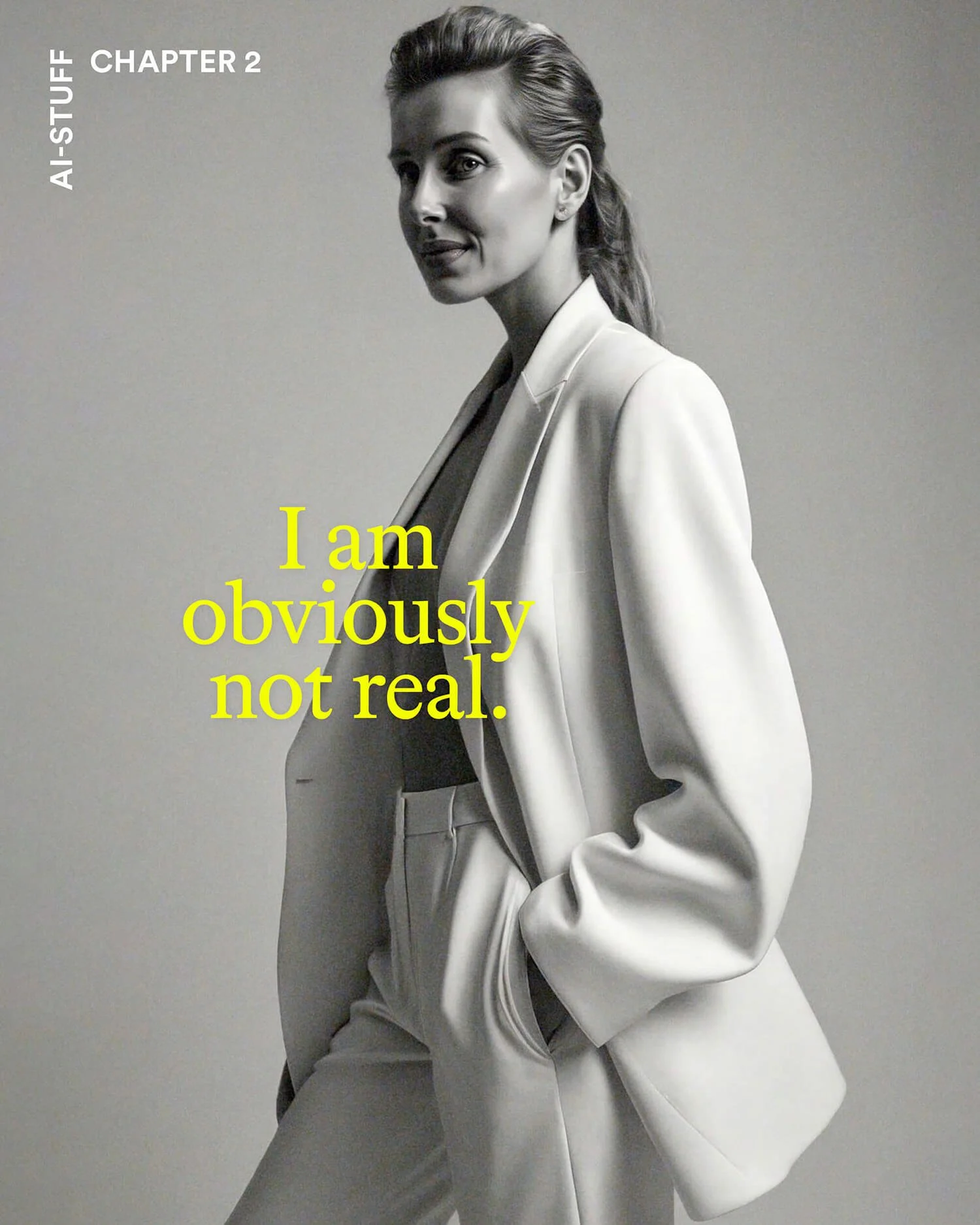
Earlier, I downloaded the Glam App. Their promise: delivering professional-looking photos without using a studio. I’m not sure if that is true. I’ve been experimenting with AI platforms such as REVE, Midjourney, Firefly, and Nano Banana, and I am just now taking baby steps with Replicate.
In a way, I’m training a model and myself. Whether you’re using an app or a platform, there is no shortcut to generating a good image. A single prompt won’t create a campaign that aligns with a brand’s mission, culture, or long-term goals. That takes research, strategy, and a clear visual framework.
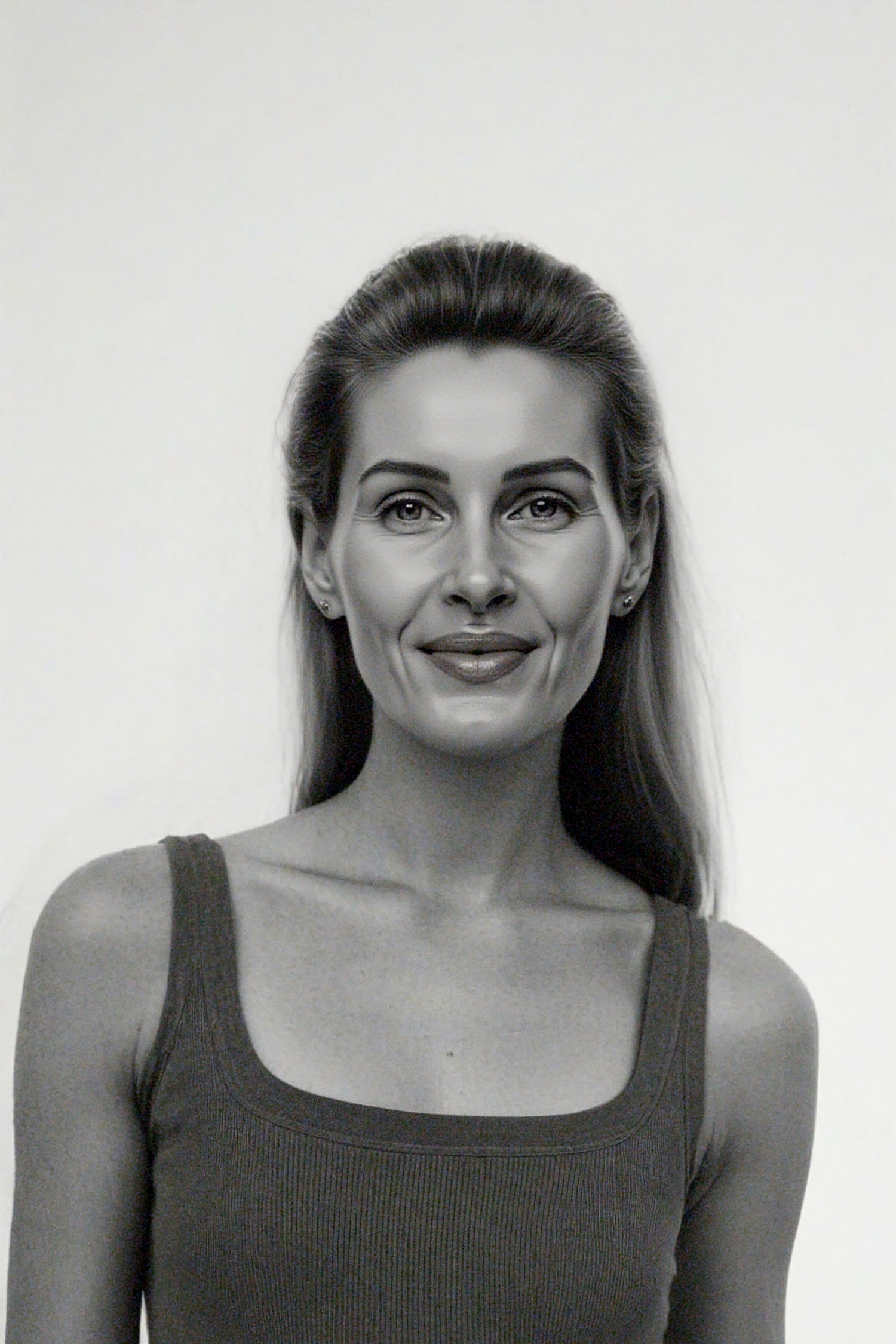
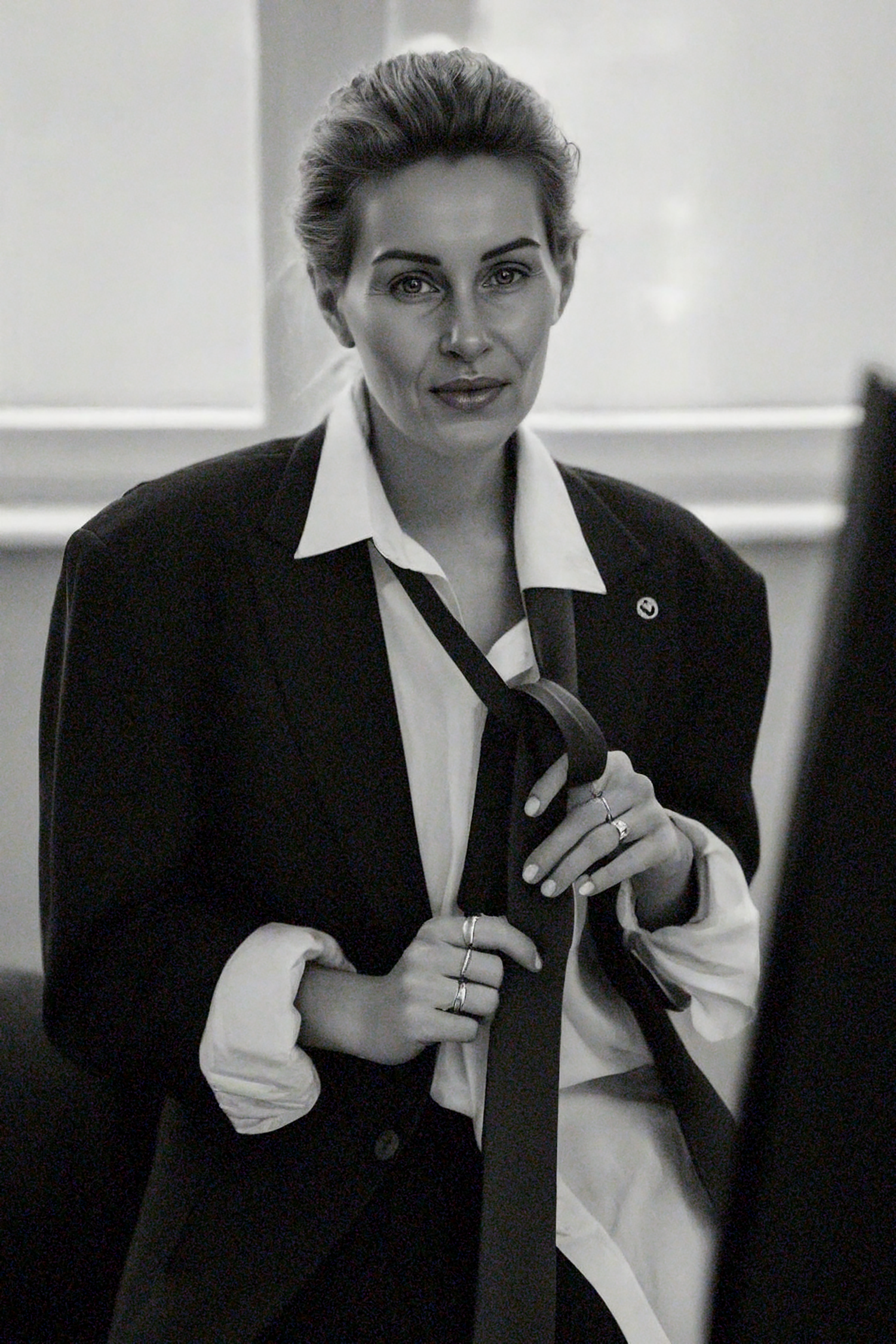
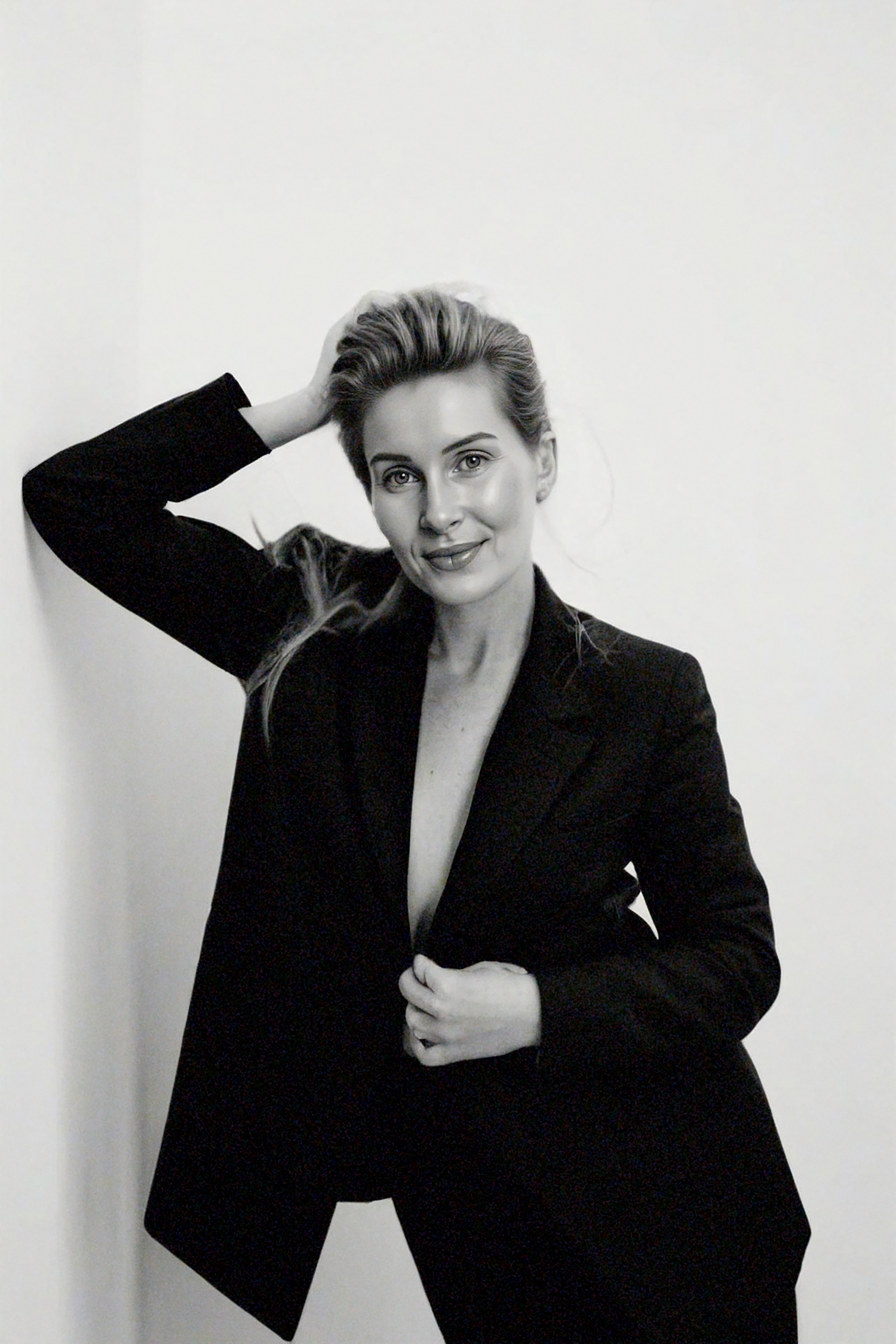
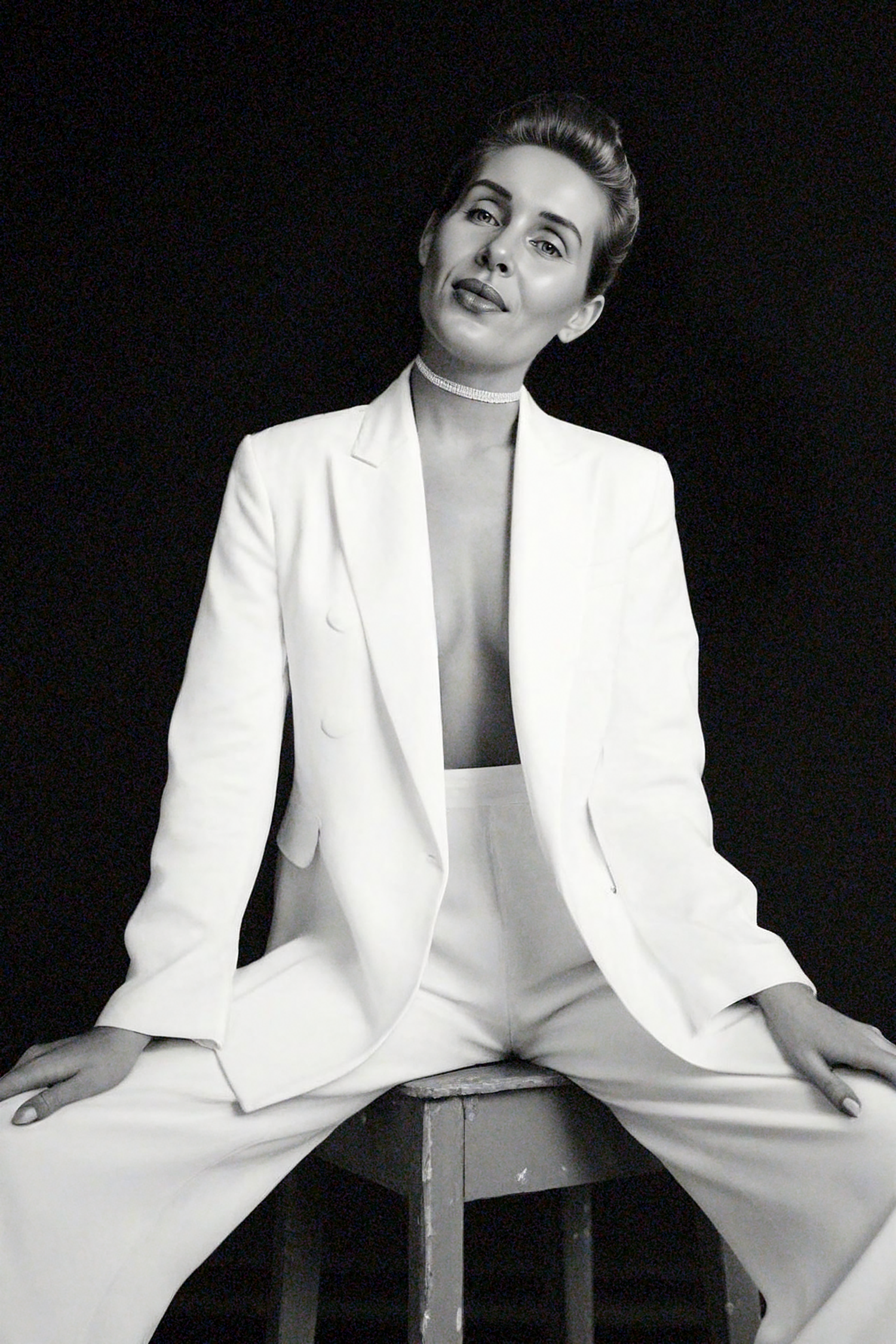
The real question is: what do I want the AI image to say about my brand, and how can it contribute to the brand’s promise and overall message? If the AI result doesn’t contribute to positive brand awareness or support your brand guidelines you’d best leave it. Instead think about these steps:
1. Prepare in detail
AI without strategy is just noise. It needs clarity and direction, just like any creative partner you brief. Know your brand and be specific in what you want. Thinks about the image type, size, subject, expression/mood, color, material, texture, light, shadows, camera angle, and action.
2. Respect the power of an image
Images are processed 60,000 times faster by the brain than text. In just 13 milliseconds, people extract meaning from an image. So what you visually communicate truly matters. Think about that.
3. Study the masters. Borrow from art
Fuel your creativity. Explore museums, photography, icons, and design for inspiration because the best prompts borrow from great art. Reference the styles of artists that inspire you (Lindbergh, Erwitt, Leibovitz, McGinley) and develop a custom style in Midjourney, which can evolve into your own visual signature.
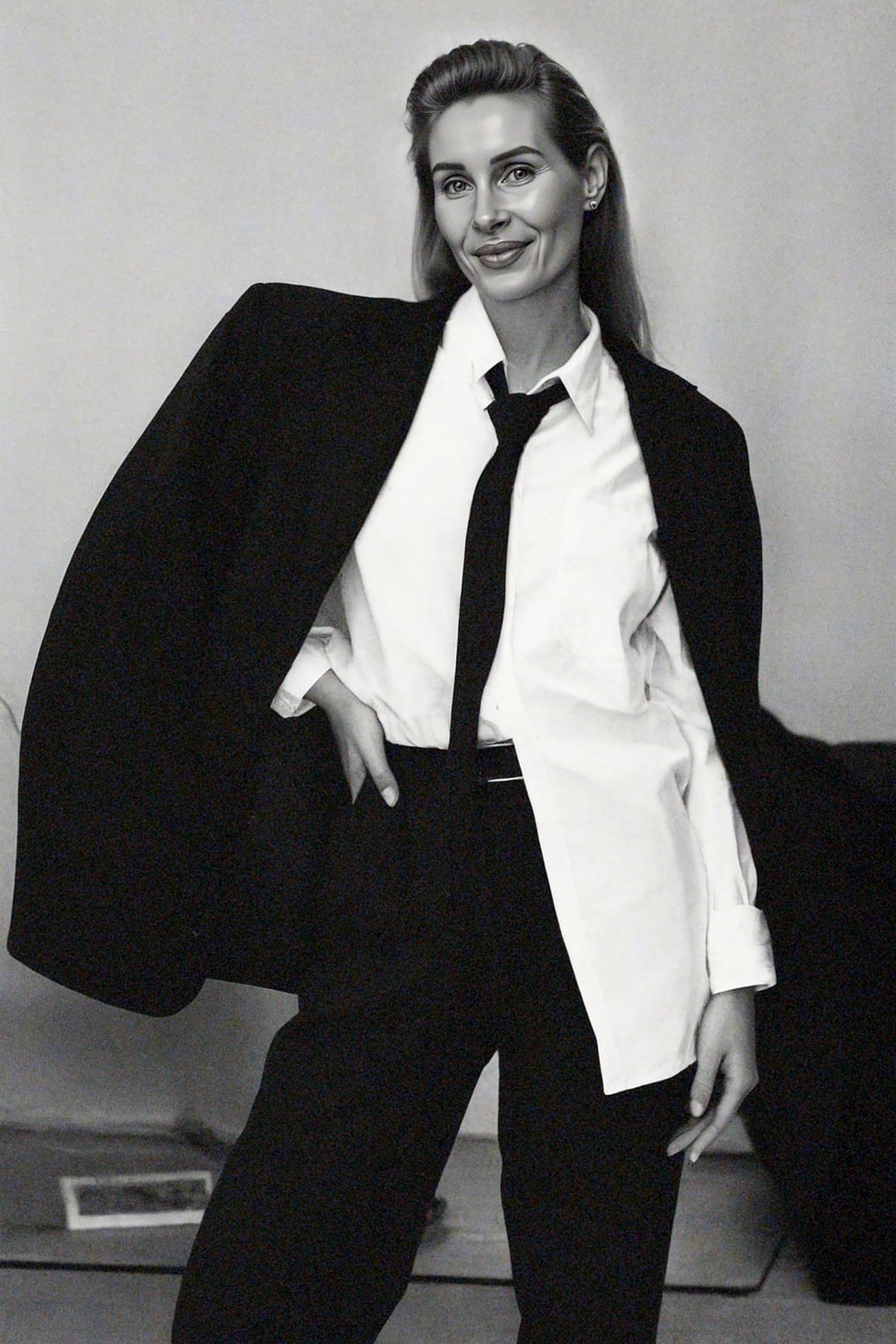
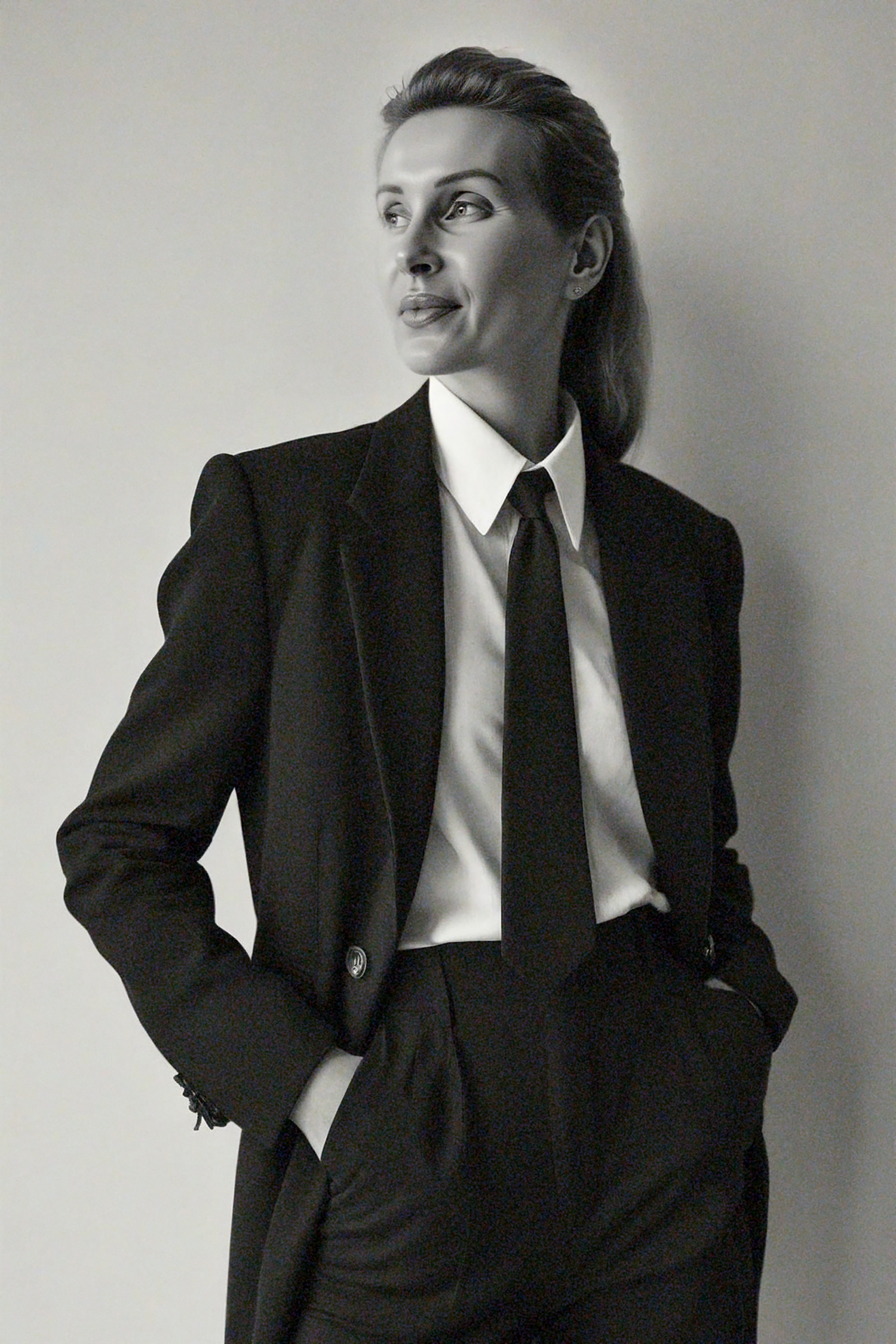
🤖 Want to know more about my learnings, winnings and failures with AI, or how to use it for your own brand or company? Ask me anything.